

It’s good to see the ever-growing disillusionment with our throwaway consumer culture. I love that extending the life of the things we choose to surround ourselves with is one of the best ways to reduce our environmental footprint. And that it’s a responsibility we can all share: brands, manufacturers and individuals. That chimes so well with the Charlotte Findlater ethos. The business was founded on key principles; helping clients make sustainable lifestyle choices, influencing positive change in our industry, and leaving a positive design legacy.
Our design philosophy is based around the Nordic tradition of simplicity, function and looking to nature for inspiration. We seek to achieve a form of symbiosis between the landscape, space, furniture, environment, body and soul. We place an emphasis on natural and tactile materials like wood, stone and linen. So, our designs are confident yet understated, mixing old with new, sometimes embracing bold colours and forms, but always refined to that core essence.
Imparting a timeless aesthetic, pairing everything back, and championing craftsmanship has led me to ponder Henry David Thoreau’s words:
‘Our life is frittered away by detail. An honest man has hardly need to count more than his ten fingers, or in extreme cases he may add his ten toes, and lump the rest. Simplicity, simplicity, simplicity! I say, let your affairs be as two or three, and not a hundred or a thousand: instead of a million count half a dozen, and keep your accounts on your thumb nail. In the midst of this chopping sea of civilized life, such are the clouds and storms and quicksand’s and thousand-and-one items to be allowed for, that a man has to live, if he would not founder and go to the bottom and not make his port at all, by dead reckoning, and he must be a great calculator indeed who succeeds. Simplify, simplify. Instead of three meals a day, if it be necessary eat but one: instead of a hundred dishes, five; and reduce other things in proportion.’
Henry David Thoreau, Walden; or, Life in the woods, 1854
We place real importance on the idea that each object is a considered design; that it responds to a unique need and, beyond its function, serves to promote the wellbeing of its user.
Emotional durability
Learning about the craft and resources that go into making a product helps us appreciate it more and gives us a better understanding of the consequences of our throwaway society. The concept of ‘emotional durability’ describes how the value of a product increases as we develop a personal bond to it. The stronger relationships we build with our belongings, the more we will cherish them, take good care of them and avoid replacing them with new things.
I am endlessly fascinated by the feel and effect of materials, and how these engaged directly with our senses. I believe this fascination translates into designs for longevity. Our designs breathe, and create spaces where both body and soul can rest.
Elevating the value of our everyday goods in this way can help conserve resources and prevent materials from becoming waste. This is one of the reasons why we try to share as much information as possible about the products we specify: who made them? Where were they made? And of what materials are they composed?
I am passionate about other cultures and other ways of life, and regularly acknowledge and interweave traditions and beliefs into our designs. This conscientiousness, curiosity and humanity is evident in our projects.
Tsukumogami in Japanese folklore
The Japanese are particularly dedicated to craft, and we love how objects are given a level of respect. In Japanese folklore, Tsukumogami (付喪神) is the belief that an object of 100 years old or more has a spirit within it.
Tsukumogami is linked to the Shinto belief that it’s possible for inanimate objects to become sentient. The transformation occurs on the one-hundredth birthday. Only after serving people for a century can an object gain a soul. So, with this ancient belief in mind, it is perhaps wise to care for and cherish your household items well!
By subscribing to this belief, we can create a culture in which objects are well maintained and not simply replaced due to aesthetic wear and tear. We can respect the entire ecosystem of this earth promote the regeneration of certain aspects of industry, especially the design industry. We source existing objects and furnishings along with bespoke commissions…it’s a design philosophy that takes our clients way beyond simple aesthetics.
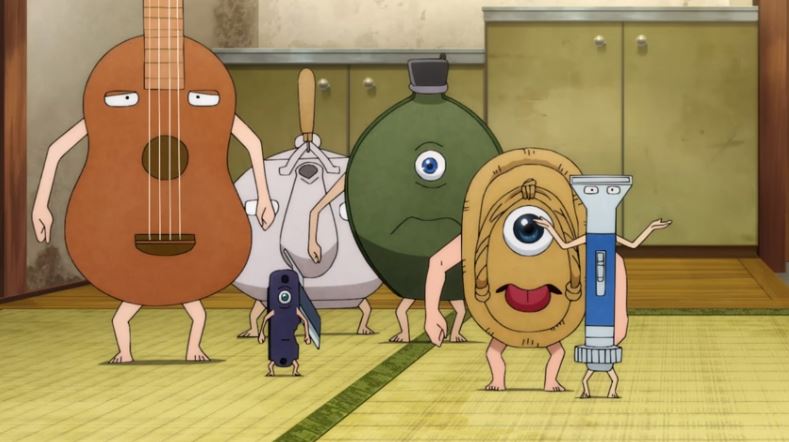
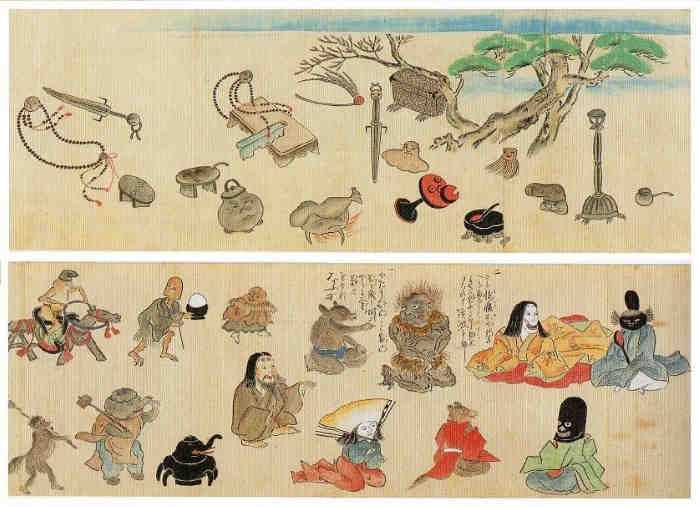
Other cultures also believed that inanimate objects had a soul. The Vikings believed that everyday objects, including boulders, could be a dwelling for an elf. And Haitian voodoo attributes spirits to inanimate and manmade objects.
Natural memories
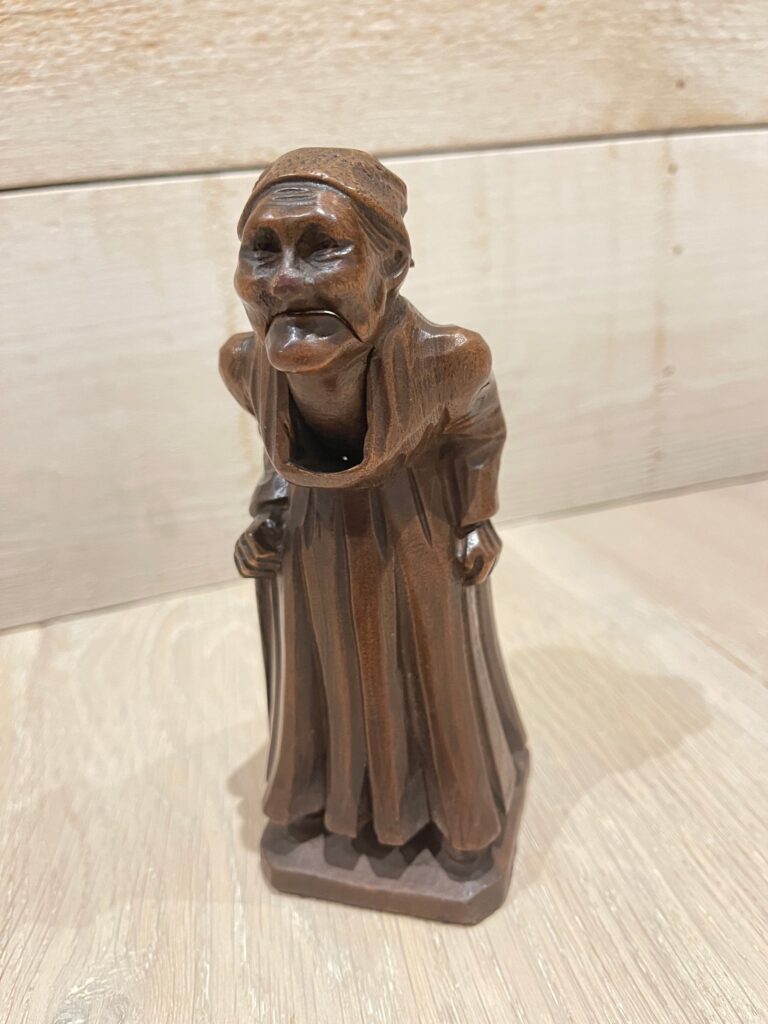
I believe that since older furniture is made from wood and leather and even horsehair stuffing, all of which comes from trees and animals, then it’s possible for it to have soul, and even memory. Its birth from a living thing gives it an energy that’s devoid in today’s soulless, man made items.
It is a saddening fact that many of us have forgotten our culture, and instead surround ourselves with machine-made objects. These objects are made not from the soul of humanity but from industrialisation. They have not been created for the lifting of the spirit, but for the sole purpose of monetary profit.
The founder of the Japanese crafts movement Soetsu Yanagi, wrote in his classic book, ‘The Unknown Craftsman’:
‘On reflection, one must conclude, that in bringing cheap and useful goods to the average household, industrialism has been of service to mankind – but at the cost of the heart, of warmth, friendliness and beauty.’
I wholeheartedly agree with this sentiment and believe it is at the expense of nature and the precious resources of this beautiful yet fragile home we all share.
To ensure our designs are sustainable, we develop products and implement designs that will continue to be useful, meaningful and cherished for many years. These are designs that embrace the natural signs of ageing; integrating and celebrating imperfections as something beautiful. Read more about our Wabi Sabi ethos.
Sustainably sourced
Sustainably sourced materials are those that naturally have a lighter imprint on the environment, such as linen, or materials that are consciously produced in a more ethical or responsible manner. This definition is based on an assessment of the material’s full lifecycle.
As a responsible designer in today’s world, I believe that sustainability must be an integral part of the design process. Products and concepts should be both environmentally and human-friendly.
On an individual level, I ensure that whatever we design and specify does not contradict the sustainability model of the company or my own ethics. (insert link to pledges) I always strive to design both products and spaces that respond to the user whilst working within a sustainable framework.
Each decision made within the design process is based on our symbiotic principle of using natural materials that not only benefit human health but then naturally degrade back into the earth upon reaching the end of their useful life. (insert link to natural materials post)
Investing in quality
We believe in caring for our environment and not contributing to landfill. We believe in championing the idea of buying less and investing in quality pieces that will last the test of time, combining age old craftmanship with a timeless aesthetic. We like to think the items we specify or commission will become the heirlooms of the future, passed on, used and treasured through the generations.
For us, we are moving towards not simply finding sustainable design solutions, we are beginning to focus on eliminating the problem altogether.
“In my experience, it can often be eye-opening to reconsider the choices we make in everyday life. Changing habits and finding new ways forward enhance creativity and help develop a stronger awareness of what we actually need to feel good.”
Charlotte Findlater
The simple motto of reduce, reuse, repair and recycle gives us the basic principles for more sustainable living. It also represents a more mindful approach to our everyday things. Buy only what you need, use and love it for as long as possible, repair and improve along the way. Swap, resell or give to charity if you no longer want it – and when the product is finally at the end of its use, make sure it is properly taken care of.
A century ago we valued our homeware and used it through a lifetime. If it was broken we mended it. The idea of upcycling and repurposing antique and vintage items has grown exponentially in recent years and we can only hope that trend will continue. By choosing to purchase previously loved items, whether it be clothing, furniture, décor, etc, you can ensure a reduction in landfill waste and carbon emissions, all while preserving history for generations to come. Antique furnishings were handcrafted out of quality materials and can last upwards of hundreds of years.
5 reasons to buy vintage furniture
- It’s green
- It’s better quality and a smart investment
- It creates a timeless and trend-proof home
- It tells a story
- It’s unique
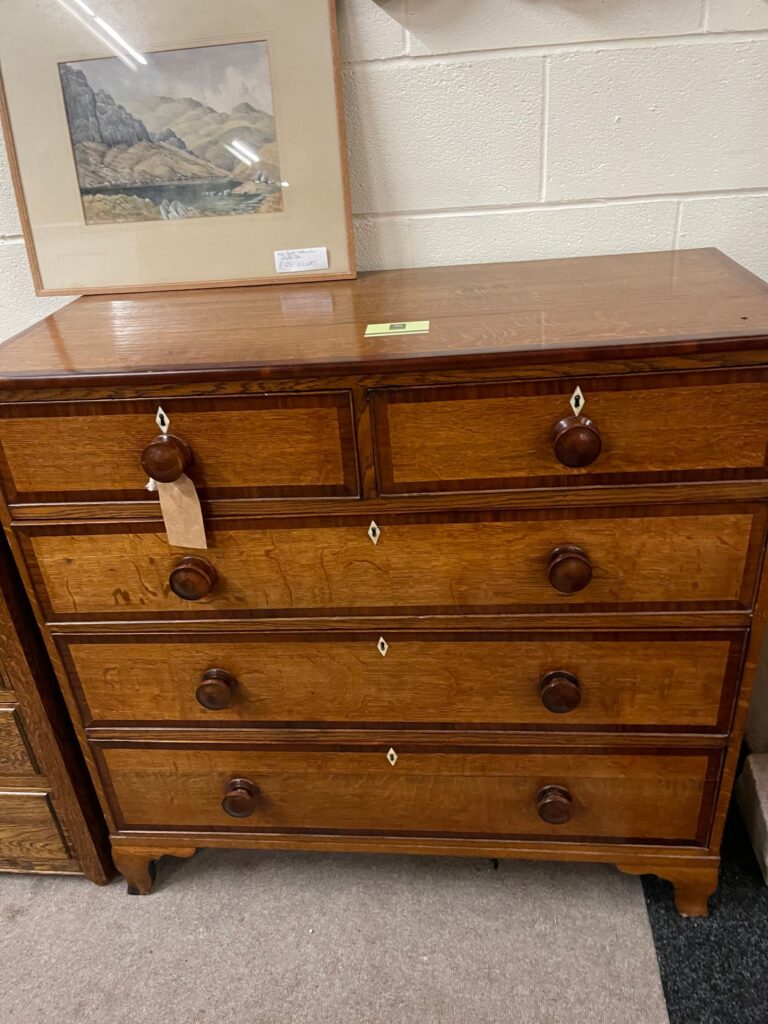
Vintage pieces are the most environmentally responsible choice for home decorating because they’re 100% post-consumer content. These pieces are an essential ingredient to achieving a sophisticated home, which is a well curated one. They add texture, contrast, and personality to any style space and pack the most punch when juxtaposed with modern pieces.
When you pair old and newer pieces, they highlight each other’s differences and the result is a home that’s truly original. An antique piece may or may not ever be super trendy (although some pieces certainly can be very trendy at certain points in time), but it’s also never going to be totally out of style as long as you select pieces with beautiful lines, classic shapes, and solid construction.
Antiques are more than furniture; they’re physical pieces of history infusing your home with the stories of our collective past. That old chest of draws holds more than clothes- it’s a keeper of secret histories.
“Vintage furniture allows you to curate a home that’s one of a kind and expresses your personality instead of looking like everyone else’s.”
Charlotte Findlater
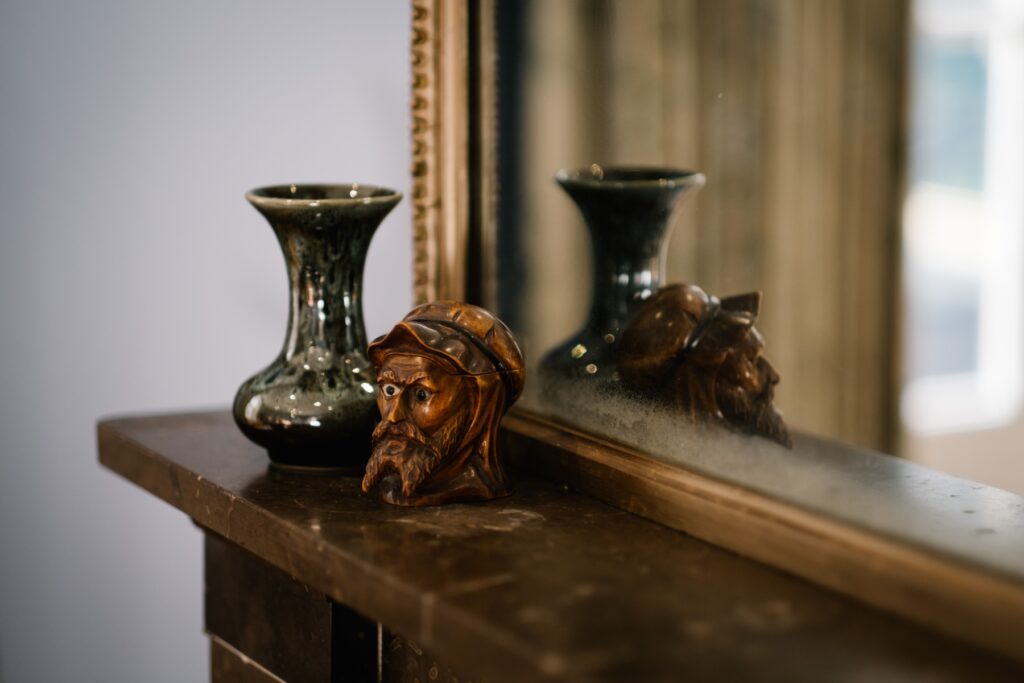
Unlike today’s mass-produced furniture, vintage pieces offer superior craftsmanship that will last a lifetime. Have you ever noticed how heavy vintage furniture can be? It’s because it’s not hiding cheap composite board or plastic guts beneath faux finishes.
And when you buy an antique, you’re supporting a small, locally-owned business and ensuring your furnishings don’t come from a sweat shop. Here’s to being socially responsible!
The furniture is also a healthier option for your home because they have already finished off-gassing any toxic chemicals and substances in the glues and finishes. This prevents you from inhaling toxic fumes that might affect your health.
We’re so happy that the trend for vintage furniture and decorative objects is still going strong. And the conscious consumption movement is gaining strength along with a populous rediscovery of traditional craftsmanship, so it makes perfect sense to extend the life of the things we choose to surround ourselves with. Which happily brings us right back to where we started this exploration. Which is lovely when we are talking about closing the consumption loop!
Additional reading
Read more about objects with souls:
https://www.city-data.com/forum/paganism/2829046-do-some-objects-have-soul.html
Category: Luxury Interior Design